
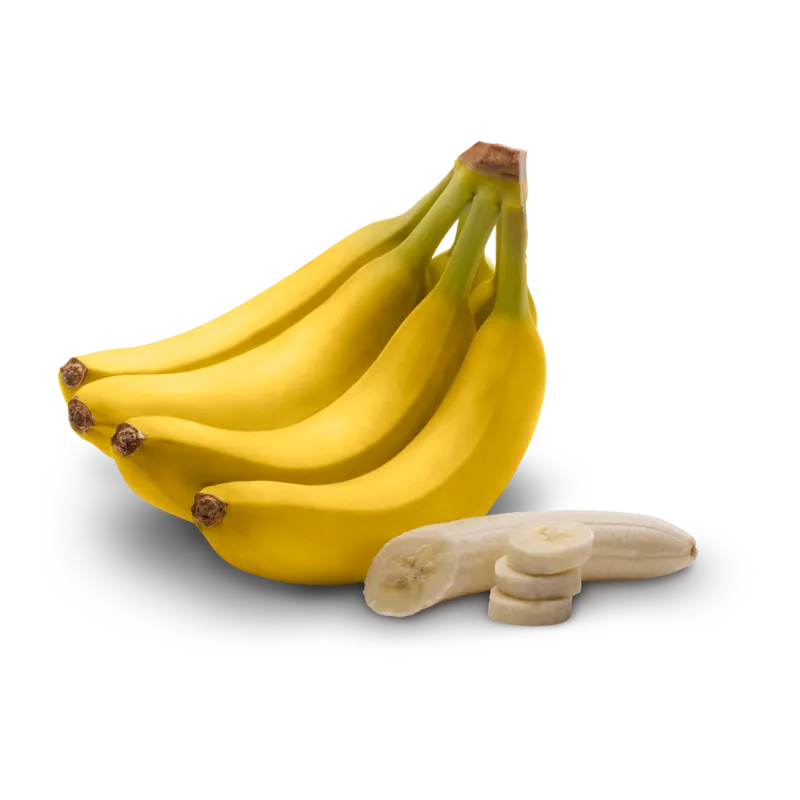
Banana 20 kg Box
₹1,000.00₹1,200.00 (-17%)
Description
Bananas are one of the world’s most popular and widely consumed fruits, known for their sweet taste, convenience, and nutritional benefits. They belong to the Musaceae family and the genus Musa.
1. Origin & History
-
Origin: Native to tropical Southeast Asia (Malaysia, Indonesia, Philippines).
-
Domestication: First cultivated around 7,000–10,000 years ago in Papua New Guinea.
-
Spread: Introduced to Africa by Arab traders, then to the Americas via Portuguese colonists.
-
Cultural Significance:
-
Symbol of fertility & prosperity in some cultures.
-
Used in religious rituals (e.g., Hindu offerings).
-
The term “banana republic” refers to economies dependent on banana exports.
-
2. Types of Bananas
There are hundreds of varieties, but the most common include:
By Use & Flavor
| Type | Characteristics |
|---|---|
| Cavendish (Commercial) | Sweet, yellow, most exported (90% of global trade). |
| Plantain (Cooking Banana) | Starchy, used in savory dishes (fried, boiled). |
| Red Banana | Sweet, reddish-purple skin, creamy texture. |
| Lady Finger (Baby Banana) | Small, extra sweet, thin skin. |
| Burro Banana | Squarish shape, tangy-sweet flavor. |
Wild & Rare Varieties
-
Blue Java (Ice Cream Banana) – Tastes like vanilla ice cream.
-
Goldfinger Banana – Resistant to diseases, hybrid variety.
-
Fe’i Banana – Orange-fleshed, high in beta-carotene.
3. Nutritional Profile (Per 100g)
| Nutrient | Amount | Health Benefits |
|---|---|---|
| Calories | 89 kcal | Quick energy source |
| Carbohydrates | 22.8 g | High in natural sugars |
| Fiber | 2.6 g | Supports digestion |
| Potassium | 358 mg (10% DV) | Regulates blood pressure |
| Vitamin B6 | 0.4 mg (20% DV) | Brain function & metabolism |
| Vitamin C | 8.7 mg (15% DV) | Boosts immunity |
| Magnesium | 27 mg (7% DV) | Muscle & nerve function |
4. Health Benefits
✅ Heart Health (High potassium, low sodium)
✅ Digestive Aid (Fiber + prebiotics support gut health)
✅ Energy Boost (Natural sugars + B vitamins)
✅ Muscle Recovery (Electrolytes like potassium & magnesium)
✅ Mood Regulation (Contains tryptophan → serotonin)
✅ Low-Fat Snack (Great for weight management)
5. Culinary Uses
-
Raw Consumption (Peeled & eaten fresh)
-
Smoothies & Shakes (Banana milkshake, protein smoothie)
-
Baking (Banana bread, muffins, pancakes)
-
Fried & Cooked (Plantain chips, tostones, banana fritters)
-
Desserts (Banana split, pudding, ice cream topping)
-
Fermented Foods (Banana wine, vinegar)
6. Production & Trade
-
Top Producers (2023):
-
India (~30% of global supply)
-
China
-
Indonesia
-
Brazil
-
Ecuador (Largest exporter)
-
-
Major Exporters: Ecuador, Philippines, Costa Rica.
-
Biggest Importers: USA, Europe, Japan.
7. Interesting Facts
🍌 Bananas are berries (botanically classified as such).
🍌 The banana plant is the world’s largest herb (not a tree).
🍌 Ripe bananas glow blue under UV light (due to chlorophyll breakdown).
🍌 Wild bananas have seeds—commercial ones are seedless (sterile hybrids).
🍌 Banana peels can polish silver, whiten teeth, and fertilize plants.

Reviews
There are no reviews yet.